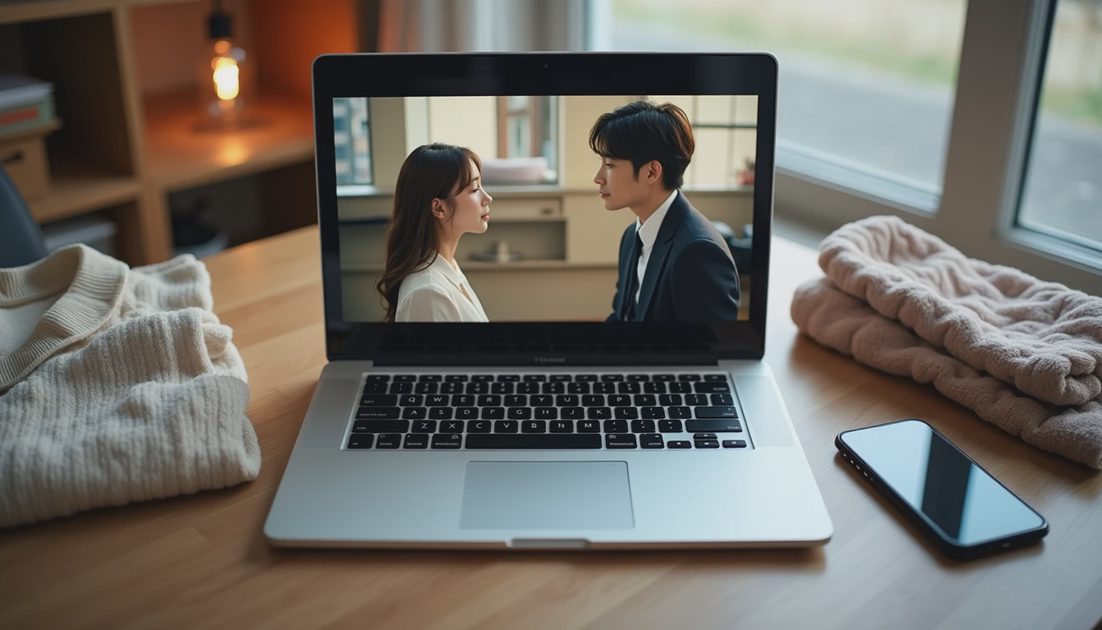
One of my favorite ways to unwind after work is watching K-dramas. I started doing it for pure entertainment, but somewhere along the way I began noticing something else: the styling for the petite actresses is incredibly thoughtful. The way clothes are cut, layered, and detailed often makes them look elegant and balanced on smaller frames.
After binge-watching dozens of shows, I started taking mental (and actual) notes. Some of the styling tricks translate surprisingly well to real everyday life, especially for those of us who aren’t built like typical Western fashion models. Here’s what I’ve learned and how I’ve applied it.
The Power of Clean, Intentional Proportions
K-dramas rarely rely on oversized or shapeless pieces for their leading ladies. Instead, they pay close attention to where hems land, where shoulders sit, and how clothes define the waist without squeezing.
I noticed that even in casual scenes, pants and skirts usually hit at flattering points — often at the ankle or just below the knee. Tops are frequently tucked or strategically layered to create a continuous vertical flow. This confirmed what I was already learning through trial and error: proportion is more important than any single trend.
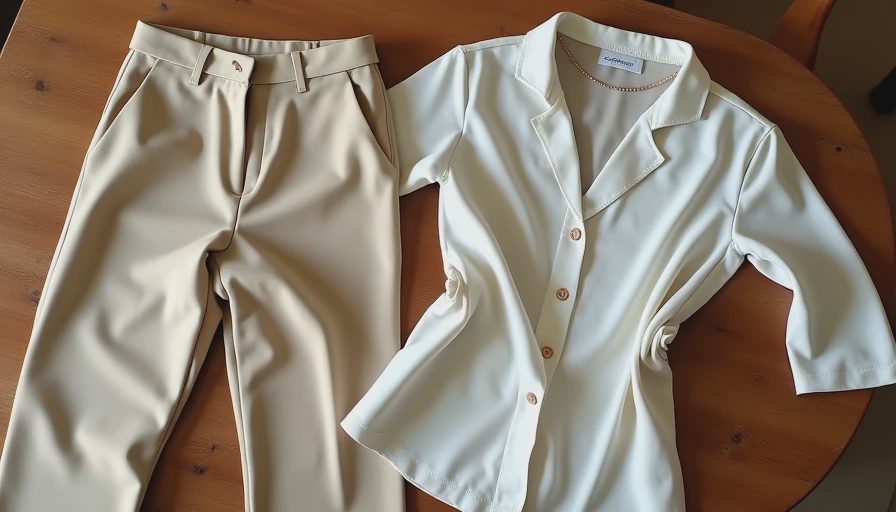
One drama in particular showed a character in wide-leg trousers that looked graceful instead of overwhelming. The secret? Higher waist placement and the right length. I tried the same approach with my own wide-leg pants and suddenly they worked much better.
Layering Done Right
K-dramas are masters of elegant layering without bulk. You’ll see lightweight cardigans, delicate blouses under structured vests, or cropped jackets over longer pieces — but always in a way that maintains clean lines.
I used to layer randomly and end up looking bulky. Now I think more like the stylists:
A slim base layer (bodysuit or fitted top)
A defining middle piece (tucked or belted)
A light outer layer that hits at a good length
This creates dimension and interest while still looking polished. It works especially well for transitional weather or air-conditioned offices.
Color and Tonal Dressing
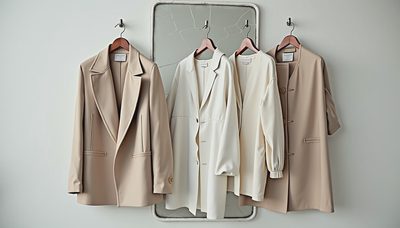
Many K-drama outfits use soft, tonal color palettes rather than high-contrast combinations. Beiges, creams, soft grays, and gentle pastels layered together create a harmonious, elongating effect.
I started experimenting with near-monochrome looks in soft neutrals and immediately noticed I looked more balanced. It’s not as dramatic as head-to-toe black, but it feels lighter and more wearable for daily life. The subtle shifts in texture (knit + woven + smooth) keep it interesting without breaking the visual line.
Details That Make a Big Difference
Some of the smallest details I’ve picked up from K-dramas have had the biggest impact:
V-necks and subtle necklines that draw the eye upward
Vertical buttons or seams on jackets and trousers
Delicate accessories — long thin necklaces, small earrings, and slim belts instead of chunky pieces
Sleeve styling — gently rolled or three-quarter sleeves that show a bit of wrist for a lighter feel
I also noticed how they use fit to their advantage. Clothes are tailored but not skin-tight. There’s enough ease to look comfortable and elegant, never restrictive.
How I Apply K-Drama Styling to Real Life
I don’t try to copy exact looks (most of us aren’t living dramatic office romance storylines). Instead, I borrow the principles:
For work, I might wear a high-waisted trouser with a tucked blouse and a lightweight blazer, inspired by those polished career woman scenes. On weekends, I’ll do a soft tonal outfit with comfortable flats for thrift shopping or light walks.
One practical change I made was being more intentional about hem lengths after seeing how much cleaner outfits look when they end at the right spot. Another was investing in a few good base layers (like good bodysuits) that make layering easier and neater.
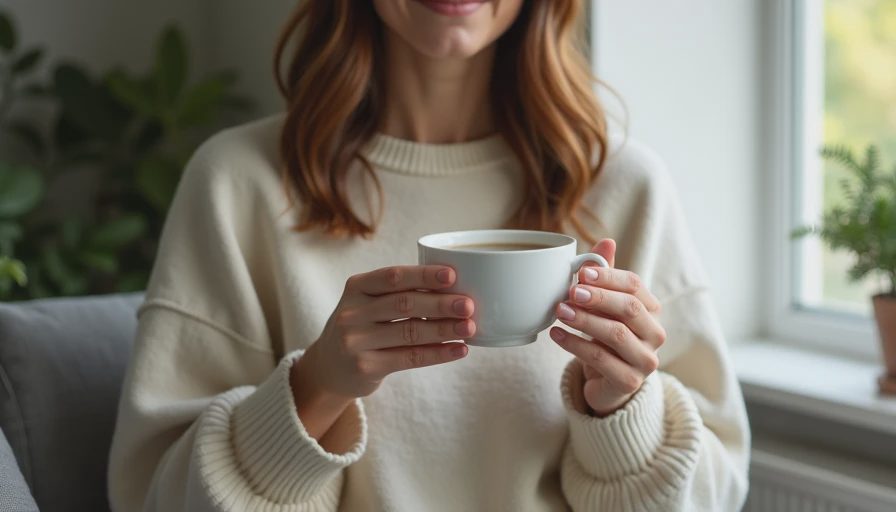
I’ve also become pickier about fabric. K-dramas favor pieces that move beautifully — lightweight but with structure. That mindset helped me choose better quality affordable pieces from Zara, Amazon, and thrift stores.
What I Don’t Copy from K-Dramas
Not everything translates perfectly. Some of the sky-high heels and ultra-feminine bows don’t fit my practical Denver lifestyle. I adapt the spirit of the styling while keeping comfort and functionality in mind.
I also remind myself that what looks amazing on screen has an entire styling team behind it. The real skill is taking inspiration and making it work for everyday life.
Small-Frame Styling Lessons I’ll Keep Using
Watching K-dramas reminded me that small frames can look incredibly elegant when clothes are chosen with care and intention. It’s not about hiding or compensating — it’s about working with your natural proportions and choosing details that enhance them.
These lessons have made getting dressed more fun and less frustrating. I feel more confident in my choices because I understand why certain combinations work.
If you’re a K-drama fan too, start paying attention to the styling the next time you watch. You might spot some surprisingly useful ideas for your own wardrobe. And even if you’re not, the core principles — clean proportions, thoughtful layering, and vertical emphasis — are worth experimenting with.
I’ll continue sharing more styling inspiration from different sources in future posts. In the meantime, I’d love to know: Have any K-dramas or shows influenced how you dress? What styling tricks have you picked up? Share in the comments!
Cute is nice. Taller is better.
No notes yet — write the first one.