Some styling tricks feel like they require too much effort — perfect color coordination, strategic layering, or remembering complicated rules. Monochrome outfits are the opposite. They’re one of the simplest ways I’ve found to look more balanced and put-together, especially on days when I want maximum impact with minimum thinking.
I didn’t always appreciate monochrome dressing. I used to think it sounded boring or too serious. But after trying it more intentionally, I realized how powerful it is for creating that effortless elongated look without relying on heels or complicated styling.
Why Monochrome Works So Well for Smaller Frames
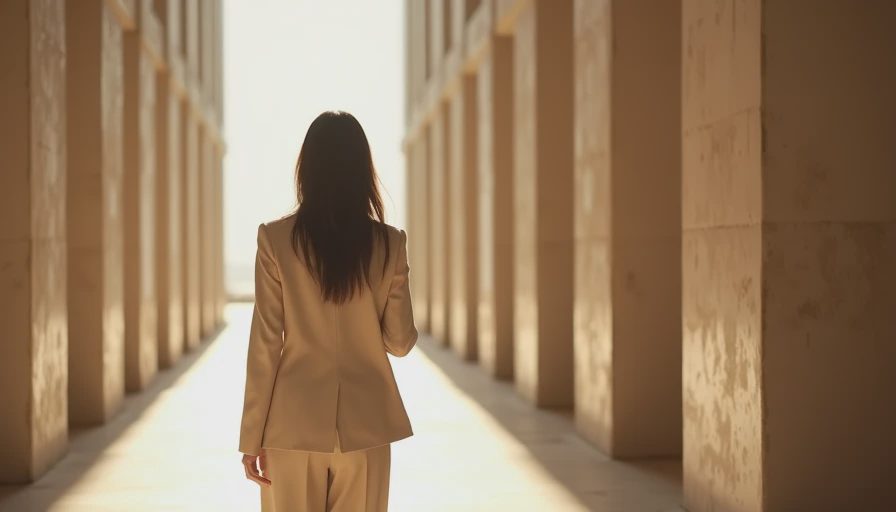
The magic of monochrome (or tonal dressing) is that it creates one continuous visual line from top to bottom. When you wear similar or identical tones, your eye doesn’t stop at strong horizontal breaks between colors. Instead, it travels smoothly downward, making the overall silhouette appear longer and more balanced.
This isn’t about wearing head-to-toe black every day (though that can work too). It’s about working within a similar color family — beiges, creams, soft grays, taupes, or gentle navies — and using texture and slight variations to keep things interesting.
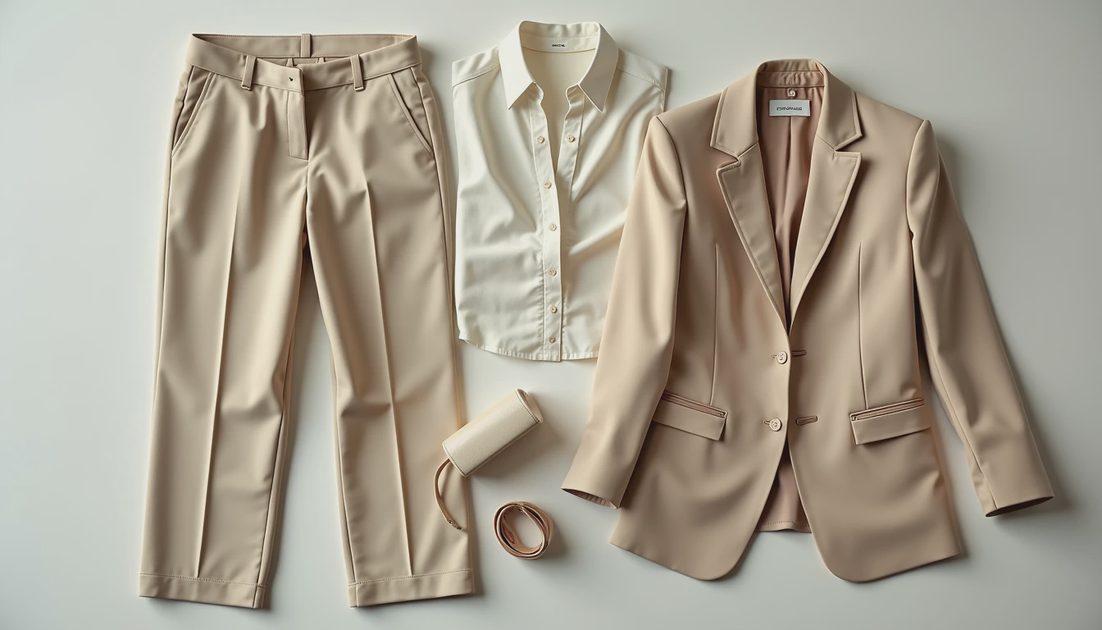
I first noticed the difference when I wore a beige trousers + beige top + camel blazer combination. In the mirror, I looked noticeably taller and more pulled-together than when I mixed contrasting colors. The outfit wasn’t particularly fancy, but it just worked.
How to Build Monochrome Outfits That Don’t Feel Boring
Here’s how I approach tonal dressing in real life:
Start With a Base Color
Pick one main color family for the outfit. Neutrals are the easiest and most versatile. I often default to beige/cream, soft black/gray, or warm taupe.
Mix Textures for Interest
This is what keeps monochrome from looking flat:
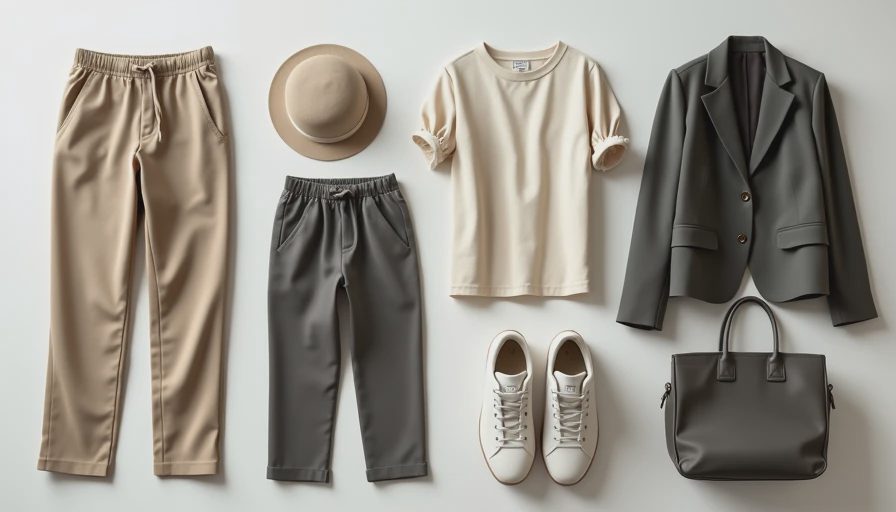
Smooth woven trousers + soft knit top + structured blazer
Matte fabrics mixed with subtle sheen
Different weights — lightweight blouse under a slightly heavier vest
The texture variation adds dimension while keeping the clean vertical effect.
Play With Proportion and Fit
Even in monochrome, proportions still matter. I make sure:
Pants hit at a flattering ankle length
Tops are tucked or half-tucked to define the waist
Layers end at good spots (hip-length blazers, not too long)
Add Subtle Accents
A slim belt in a similar tone, delicate gold jewelry, or a slightly different shade in one piece can add polish without breaking the line.
My Favorite Monochrome Combinations
These are the looks I reach for regularly:
The Neutral Work Uniform
Beige high-rise trousers + cream tucked blouse + camel fitted blazer + nude flats. This is my most reliable “no-thought” professional outfit. It looks expensive and intentional with very little effort.
The Soft Gray Weekend Look
Soft gray wide-leg pants + lighter gray knit sweater + textured gray vest or open cardigan. Comfortable enough for errands or casual walks, but still looks considered.
All-Black Refined
Black straight-leg trousers + black sleeveless or short-sleeve top + black or dark gray blazer. I add texture with a woven bag or subtle jewelry. Perfect when I want to feel sharp and low-maintenance.
Cream Tonal
Cream linen-blend trousers + off-white top + light beige lightweight layer. This is my go-to for warmer days because it feels fresh and light.
Common Monochrome Mistakes I’ve Made
Wearing exactly the same shade and fabric everywhere — it can look too flat and one-dimensional.
Choosing fabrics that wrinkle badly (especially in summer).
Forgetting accessories — a completely flat monochrome look can sometimes feel too severe without a little shine or texture.
Ignoring fit — even the best color story won’t help if the proportions are off.
Now I make sure there’s enough variation in texture and subtle shade differences to keep the outfit interesting.
Why I Love Monochrome for Real Life
The best part about monochrome outfits is how little mental energy they require. On busy or low-motivation mornings, I can grab pieces within the same color family and know they’ll work together. They also photograph well and transition easily from day to evening.
Most of these looks are built from affordable pieces I’ve found at Zara, Amazon, and thrift stores. You don’t need a big budget — just a few solid basics in versatile neutrals.
Monochrome has become one of my favorite “secret weapons.” It consistently makes me look more balanced and confident without trying too hard. It’s practical, flattering, and surprisingly versatile once you get comfortable with it.
If you’ve been hesitant to try tonal dressing, start small. Pick two or three pieces in the same color family and see how they work together. You might be surprised how much of a difference it makes.
I’ll be sharing more specific monochrome outfit ideas and color palettes in future posts. In the meantime, I’d love to hear how you use (or feel about) monochrome dressing. What’s your favorite color story to wear? Drop it in the comments!
Cute is nice. Taller is better.

No notes yet — write the first one.