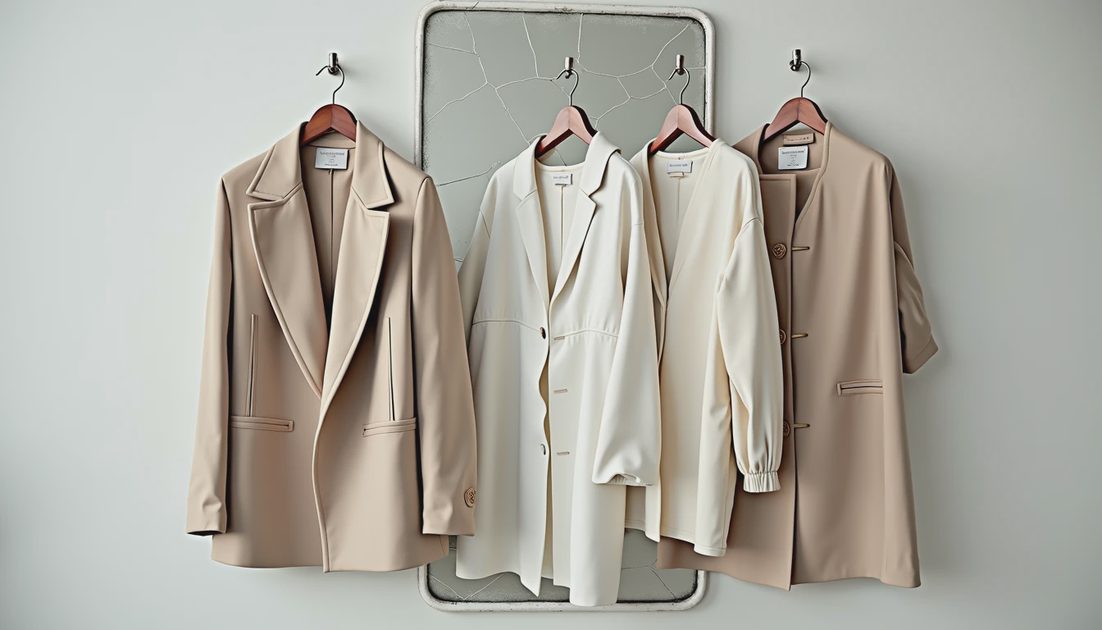
I used to fall for it every single time. The influencer would say “this piece looks good on everyone,” the brand would promise it was “universally flattering,” and I’d click “add to cart” feeling hopeful. Then the package would arrive, I’d try it on, and stare at the mirror thinking, “Why does this look so wrong on me?”
For years I believed there was something wrong with my body or my styling skills. It took me a long time — and a lot of wasted money — to realize the real problem was believing the “this looks good on everyone” lie.
This post is me admitting how deeply I bought into that myth and what happened when I finally stopped.
Why the “Looks Good on Everyone” Lie Is So Convincing
It sounds so comforting. Who doesn’t want to believe there are magical pieces that work for all body types? The fashion industry loves this narrative because it makes selling easier. One product, maximum audience.
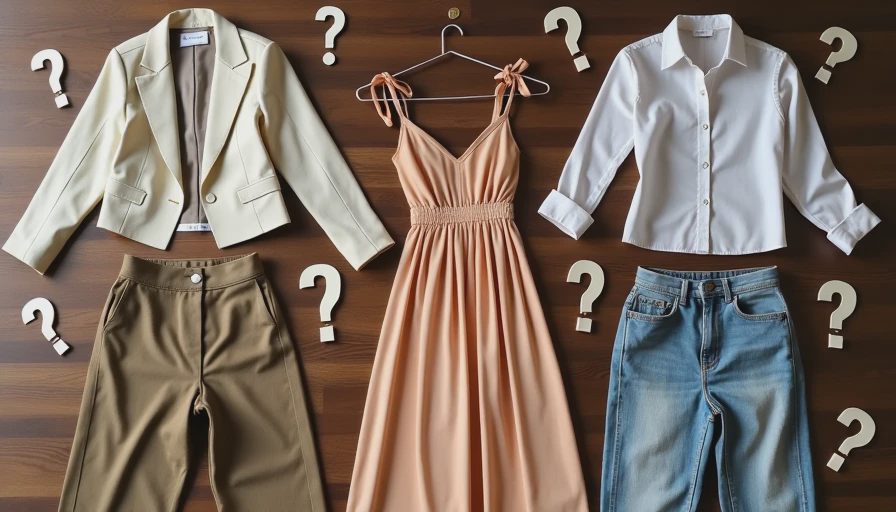
Social media makes it worse. You see the same item styled beautifully on different women, but what you don’t see is the careful camera angles, the specific heights, the professional tailoring, or the fact that many photos are taken right after alterations. It creates this illusion that if it doesn’t look good on you, you’re doing something wrong.
I remember buying a flowy midi dress that was hyped everywhere as “universally flattering.” The reviews were glowing. When I put it on, I felt like I was drowning in fabric and the proportions were completely off. Instead of accepting that the dress wasn’t designed with my frame in mind, I blamed myself for not knowing how to style it “correctly.”
That pattern repeated with cropped jackets, low-rise pants, oversized blazers, and certain dress silhouettes. Each time I hoped this would be the item that proved the lie true.
The Moment I Started Questioning Everything
One particularly bad shopping month I bought four different “everyone loves this” items. After trying them all on at home, I had a bit of a meltdown. Nothing looked right. Nothing felt good. That night I started going through my closet with fresh eyes and realized most of the pieces I actually loved and wore regularly had never been marketed as “universal.”
They just worked for me.
That was when I started paying attention to my own body’s proportions instead of external opinions. I began taking notes on what consistently made me feel balanced and confident versus what made me feel off. The difference was striking.
I learned that “universally flattering” is usually code for “works well on average-to-tall rectangles and hourglasses with long legs.” Which is fine — but it’s not everyone.
What I Focus On Instead of Universal Advice
Now when I shop or style, I ask much more specific questions:
Does this create clean vertical lines or break them?
Where does the hem land on my body?
How does the shoulder and waist fit?
Does the overall silhouette feel balanced when I move?

I’ve become much more selective. If something is marketed as “looks good on everyone,” I approach it with healthy skepticism. I still try things, but I no longer expect miracles.
This mindset shift has made shopping less disappointing and more empowering. I’m no longer chasing someone else’s version of flattering. I’m building a wardrobe that actually understands my shape.
Some of the best pieces in my closet came from ignoring hype and trusting my own mirror. A simple tailored blazer, well-fitted trousers with the right rise and hem, basic tops with good necklines — these weren’t always called “universal,” but they work consistently for me.
How This Change Has Improved My Wardrobe
Stopping belief in the universal lie has helped me in several practical ways:
I return or donate things faster now. If it doesn’t work within the first try-on session, I don’t keep it “just in case.”
I’ve become better at identifying what actually does work for me and seeking out more of that. This has led to a more cohesive, wearable wardrobe instead of a closet full of random trendy pieces.
I feel less pressure and less disappointment. Fashion is more fun when I’m not constantly measuring myself against an impossible standard.
Most importantly, I’ve stopped feeling bad about my body when something doesn’t fit right. It’s usually not me — it’s the proportions of the garment.
Learning to Trust My Own Eyes
The biggest gift of dropping this lie is that I now trust my own reflection more than external opinions. I still take inspiration from others, but I filter it through my own reality.
I might see a cute look online and think, “That’s nice, but how would it work with my proportions?” Then I adapt it or skip it entirely. This has saved me time, money, and emotional energy.
I still love cute clothes. But now I prioritize clothes that are helpful and flattering for me personally, not just theoretically cute or universally praised.
If you’ve ever felt frustrated by pieces that were supposed to look good on everyone, I hope this makes you feel less alone. Your experience is valid. Your proportions are real. And it’s okay to admit that some popular items just aren’t for you.
I’ll continue sharing what actually works for me in future posts — specific pieces, styling tricks, and honest reviews. No universal promises, just real-life experience.
Have you had any “this is supposed to look good on everyone” moments that turned out differently for you? Share in the comments. There’s power in talking about these things honestly.
Cute is nice. Taller is better.


No notes yet — write the first one.