If there’s one thing I wish someone had told me when I first started caring about how I dressed, it’s that looking taller as a petite woman isn’t about wearing sky-high heels or squeezing into head-to-toe black. It’s about understanding one simple but incredibly powerful rule that changes everything once you start applying it.
For the longest time, I couldn’t figure out why some outfits made me feel confident and put-together while others made me look short, wide, and somehow even smaller than my 5'2" self. I’d copy looks from tall influencers, buy the “trendy” pieces everyone was wearing, and still end up disappointed when I looked in the mirror. My legs looked stumpy. My torso looked boxy. The whole outfit just felt… off.
Then I discovered (through a lot of trial, error, and standing in front of my mirror taking awkward photos) the petite styling rule that finally clicked for me.
The One Rule That Changed How I Dress
The secret isn’t a specific item or color. It’s all about creating and preserving clean vertical lines.
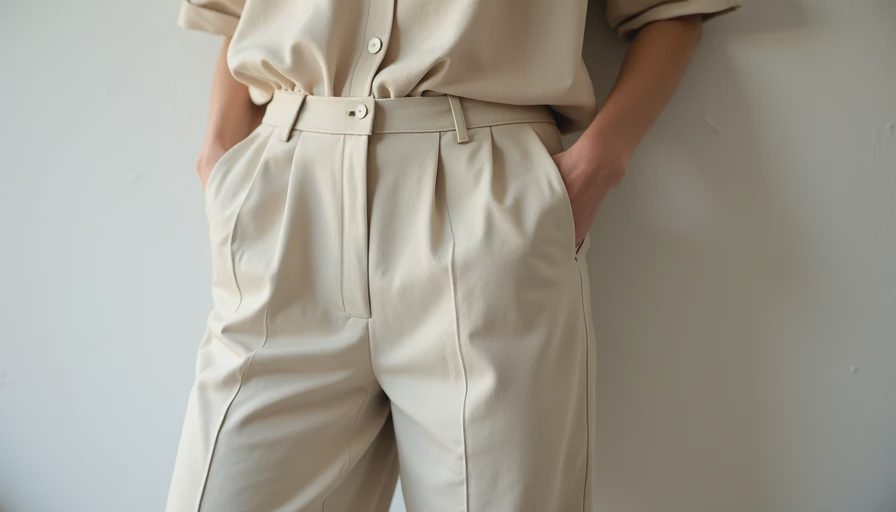
What does that actually mean? It means training your eye to notice anything that breaks or interrupts the long vertical flow of your body — especially at the waist, hips, and ankles. When those lines are clean and uninterrupted, your brain reads the outfit as taller and more balanced. When they’re broken by the wrong hem length, bulky layers, or poor proportions, you instantly look shorter and wider.
I know it sounds simple, but once I started obsessing over vertical lines, my entire wardrobe started working better. Even my old clothes looked different when I styled them with this in mind.
Let me give you some real-life examples from my own closet disasters and wins.
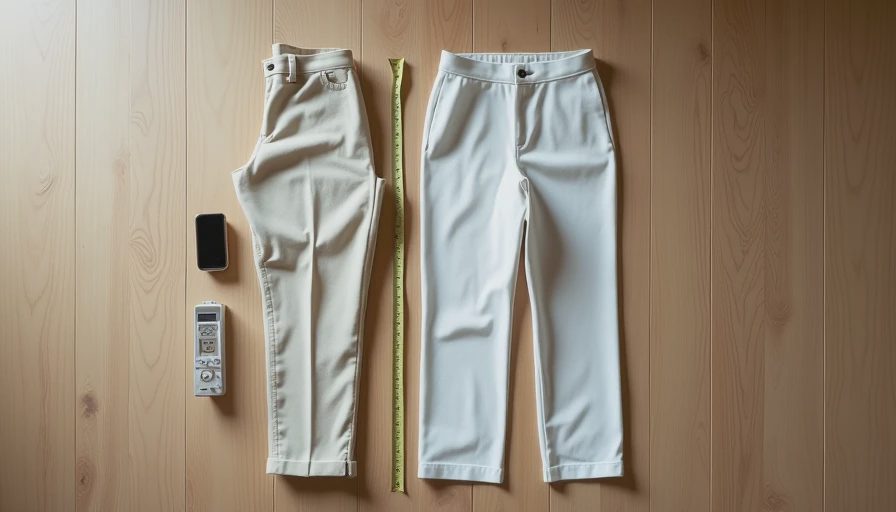
I used to love buying ankle-length pants because they were “on trend.” I’d pair them with a regular-length top and wonder why I looked like I’d lost three inches. The problem? That ankle hem created a strong horizontal line right at the widest part of my lower leg, chopping up my silhouette. Once I started hemming pants to hit right at the top of my foot or wearing them with a slight heel on my ankle boots, the vertical line continued all the way down. Game changer.
The same thing happened with jackets. I had this cute cropped denim jacket that everyone said was flattering. On me? It cut my torso in half and made my legs look stubby. After I switched to longer blazers or properly fitted jackets that end at the right spot (usually around the hip bone for my height), everything looked more elongated.
How I Apply the Vertical Line Rule Every Day
Now this rule guides almost every outfit decision I make — whether I’m getting ready for work as an administrative assistant in Denver or throwing together a weekend thrift store find for a casual trail walk.
Here’s exactly how I use it:
I always check the hem lengths. For pants and skirts, I want the bottom edge to create a clean vertical continuation rather than a harsh stop. My go-to petite trick is getting pants tailored or buying brands that offer petite lengths. When I can’t, I roll them once (never twice — trust me, I learned that the hard way) or pair them with shoes that extend the line.
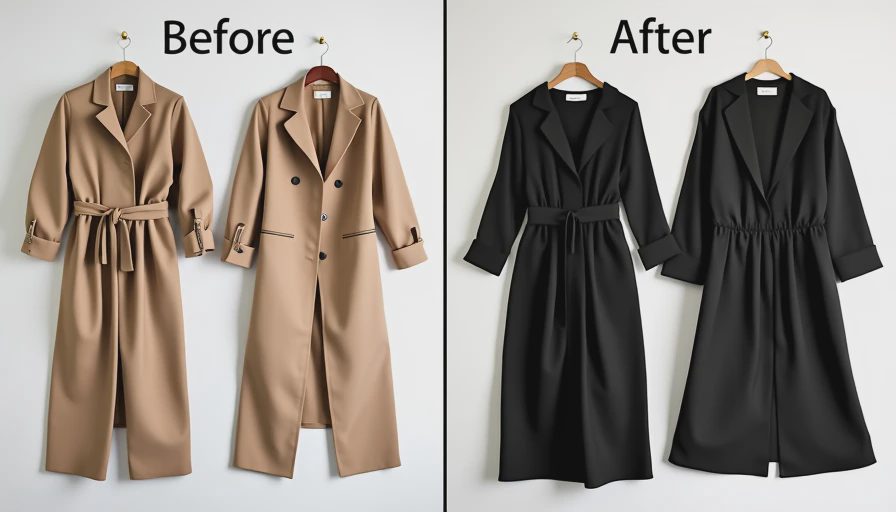
I pay attention to where tops meet bottoms. Tucking in a shirt or choosing tops that end at the right hip point helps create one long vertical column instead of two short blocks. I’m not saying you have to tuck everything — half-tucks and strategic layering work too — but being mindful makes a huge difference.
I look at outer layers. Long cardigans used to be my enemy. They would swallow my small frame and make me look shorter. Now I either choose structured blazers with good shoulder fit or shorter cardigans that hit at a flattering spot. Vertical details like seams, buttons, or subtle stripes on the sides of pants have also become my best friends.
I’ve been testing this rule heavily with affordable pieces. Some of my recent favorite finds include a pair of straight-leg trousers from Zara that hit at the perfect ankle point on my frame and a simple Amazon black top with a slight V-neck that helps draw the eye upward. Both were under $40 and make me look noticeably taller when styled right.
Common Vertical Line Mistakes I Used to Make (And Still See Everywhere)
Let me save you some frustration by sharing the mistakes I repeated for years.
The biggest one? Wearing anything that creates strong horizontal cuts across the body — wide contrasting belts, cropped everything, or pants that puddle at the ankles. I used to think oversized clothing was comfortable and cute. In reality, it just drowned my proportions.
Another common trap is ignoring rise length on pants. Low-rise pants on a petite frame often make your torso look longer and your legs shorter — the opposite of what we want. I now look for mid to high-rise styles that hit closer to my natural waist.
I also had to stop copying tall-girl layering tricks. Those long duster coats and oversized sweaters that look amazing on 5'8" women? They made me look like I was playing dress-up. Learning to scale everything to my height was key.
Even accessories matter. Long necklaces and vertical earrings help, while big horizontal bags or chunky belts can break the line.
Why This Rule Feels So Good
The best part about focusing on vertical lines isn’t just that I look taller — it’s that I feel more like myself. I’m not fighting my height anymore. I’m working with it. Getting dressed in the morning takes less mental energy because I have a clear filter for what will work.
This rule works whether I’m wearing office-appropriate outfits for my admin job, casual weekend looks for Denver trails, or something in between. It’s practical. It’s affordable. And it doesn’t require me to suddenly love wearing painful shoes.
I still make mistakes — I’m only human and sometimes that cute Zara piece calls my name. But now I have a clear way to evaluate and adjust instead of just feeling vaguely disappointed.
If you’re a petite woman who’s tired of outfits that look better in your head than on your body, I highly recommend starting with this one rule. Take a look at your current favorite pieces and ask yourself: where are the vertical lines being broken? Small adjustments can make a surprisingly big difference.
I’ll be diving much deeper into specific applications of this rule in future Line Length Lab posts — including exact pant lengths, jacket proportions, color blocking tricks, and more.
For now, I hope this helps you see your clothes in a new way. You don’t need to change your body or your budget. You just need to understand how to dress the one you have.
Cute is nice. Taller is better.




No notes yet — write the first one.