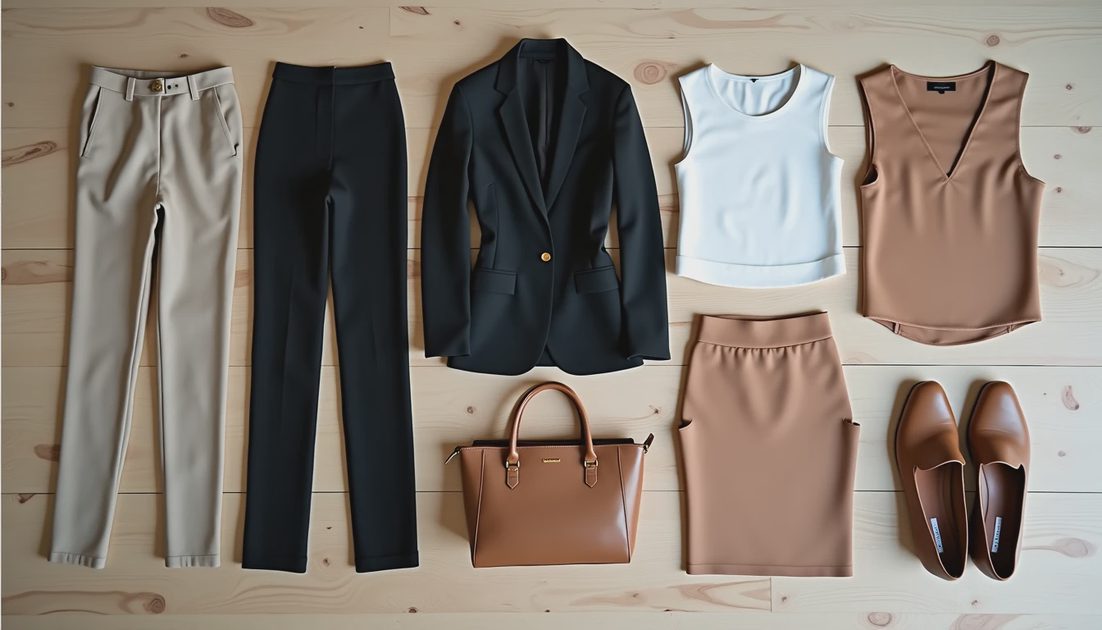
As a administrative assistant , I need outfits that can survive real life: walking between buildings, sitting at a desk for hours, occasional coffee runs, and still looking professional enough for meetings. For the longest time, I struggled with this. I’d either look too casual or try too hard and end up feeling frumpy and short in my own clothes.
Mornings used to be stressful. I’d stand in front of my closet, already running late, trying to piece together something that didn’t make me look shorter or swallowed by fabric. After months of trial and error (and yes, plenty of “what was I thinking” moments), I finally created a simple 5-day petite office outfit formula that works for me. It’s repeatable, affordable, and most importantly — it makes me look taller and more put-together without relying on heels.
This isn’t a rigid uniform. It’s a flexible system built around pieces that respect petite proportions, especially clean vertical lines I talked about in my last post. Everything is easy to walk in and budget-friendly.
Why Most Office Outfit Advice Doesn’t Work for Petites
Before I share the actual formula, let me be honest about why I had to create my own.
Most workwear advice online comes from taller women or assumes you can wear pointed-toe pumps all day. They recommend long blazers that drown me or cropped styles that cut my torso in half. I got tired of scrolling through looks that would make me appear even shorter in real office lighting.
My formula focuses on:
Mid-to-high rise bottoms for better leg elongation
Proper hem lengths (usually ankle or just above)
Structured but not oversized tops and layers
Flats or low block heels I can actually walk in around Denver
Mix-and-match pieces that stretch across multiple days
All of these come from Zara sales, Amazon basics, and thrift finds — nothing over $60 per piece unless it’s a really good secondhand score.
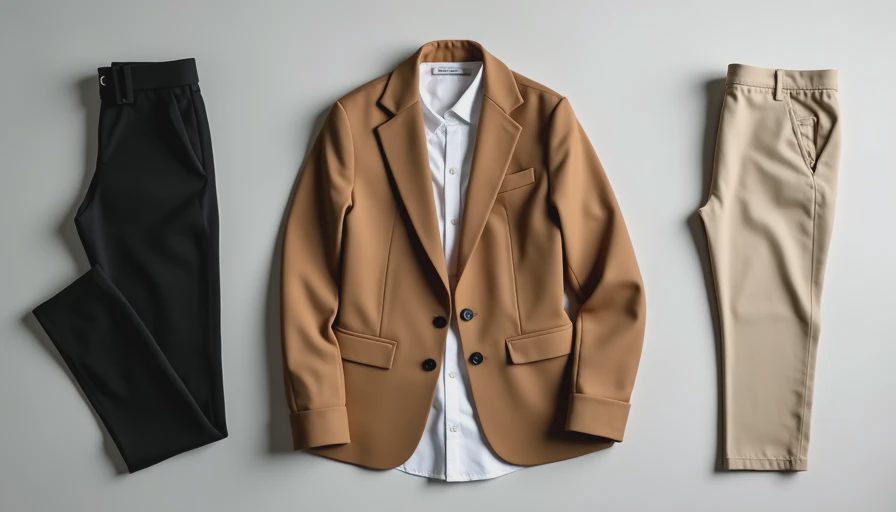
My 5-Day Petite Office Outfit Formula
Here’s what a typical work week looks like for me right now. I rotate these and adjust based on weather (Denver can go from sunny to snow in one day).
Monday – Classic Clean Look
High-rise straight-leg black trousers (Zara petite or tailored) + tucked-in white button-up shirt + fitted camel blazer that hits at my hip. I add a thin belt to define the waist and finish with black pointed-toe flats. This creates one long vertical line from shoulder to toe. Super polished for Monday meetings.
Tuesday – Easy Mix & Match
Mid-rise beige chinos with a clean ankle hem + light blue Oxford shirt half-tucked + navy structured vest instead of a full blazer. The vest adds interest without overwhelming my frame. This combo feels fresh but still professional, and the neutral colors make me look taller.
Wednesday – Midweek Comfort
Wide-leg black trousers (hemmed to hit right at the ankle bone) worn with a tucked-in simple black top + a cropped cardigan that ends exactly at my high hip. I learned the hard way not to go too long with cardigans. Add small gold hoop earrings and my favorite leather flats. This is my “I have back-to-back tasks” uniform.
Thursday – Soft Professional
Olive green straight pants (Amazon find that surprisingly fits petites well) + cream sweater with a slight V-neck + lightweight taupe blazer. The V-neck helps draw the eye upward while the blazer adds structure. This color combination feels elevated without being boring.
Friday – Casual Friday Done Right
Dark wash denim with a straight cut and perfect rise + white t-shirt tucked in + soft oversized button-up worn open as a light layer. I roll the sleeves once and make sure the denim hem creates a clean line with my ankle boots. Comfortable enough for casual Friday but still looks intentional.
Key Petite Adjustments That Make These Outfits Work
The magic isn’t in the individual pieces — it’s in how I adjust them for my height:
I always check where the jacket or layer ends. If it hits below my hip bone, it usually makes me look shorter. Shoulder fit is non-negotiable — droopy shoulders add visual width and height loss.
For pants, I prioritize ankle-length or slight break at the top of the foot. Anything puddling at the bottom instantly shortens me. If I buy regular lengths, I get them hemmed or use temporary fabric tape for testing.
Tucking strategy matters. Full tucks for structured days, half-tucks or front tucks for more casual ones. This prevents the outfit from cutting me in half horizontally.
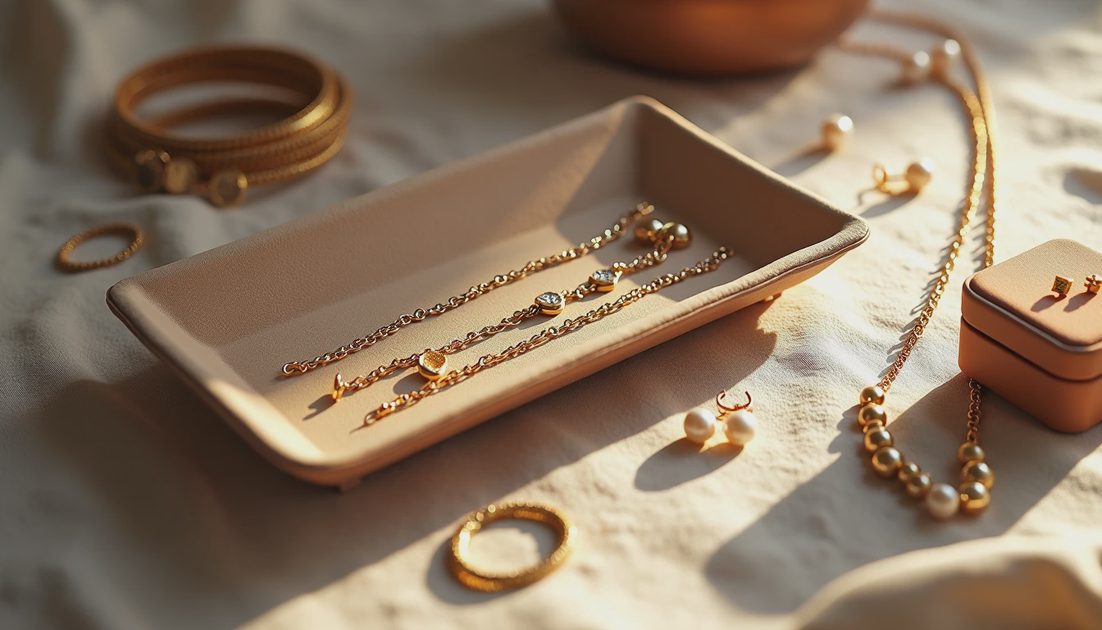
Accessories are kept minimal and vertical — long necklaces, slim belts, small earrings. No giant totes that hit mid-thigh.
What I Stopped Doing (The Mistakes That Saved Me Money)
I used to:
Buy “cute” cropped blazers that made my legs disappear
Wear low-rise pants that shortened my silhouette dramatically
Layer long cardigans that swallowed my entire frame
Try to copy exact influencer looks without scaling them to my 5'2" height
Now I shop with intention. Before buying, I ask: Does this respect my proportions? Can I walk in it comfortably around downtown Denver? Would I wear this more than once a month?
Most of my current work wardrobe cost under $300 total and gets worn weekly. That feels like a win.
Making the Formula Your Own
This 5-day system isn’t about copying me exactly. It’s about building your own repeatable formulas using pieces that work for your body and lifestyle. Start by auditing your closet with vertical lines in mind. Pick 3-4 bottoms and 4-5 tops that mix well and fit your petite frame properly.
If you work in a more formal office, lean into the blazers and button-ups. If it’s business casual like mine, play more with colors and lighter layers.
The goal isn’t perfection. It’s having enough “no-brainer” outfits so you can get dressed quickly and still feel confident walking into the office.
I’ll be sharing more specific Desk to Dinner outfits in future posts, including summer versions and pieces that transition from office to after-work plans.
For now, I hope this takes some stress out of your weekday mornings. You deserve to feel put-together without it becoming an emotional marathon every day.
Cute is nice. Taller is better.





No notes yet — write the first one.