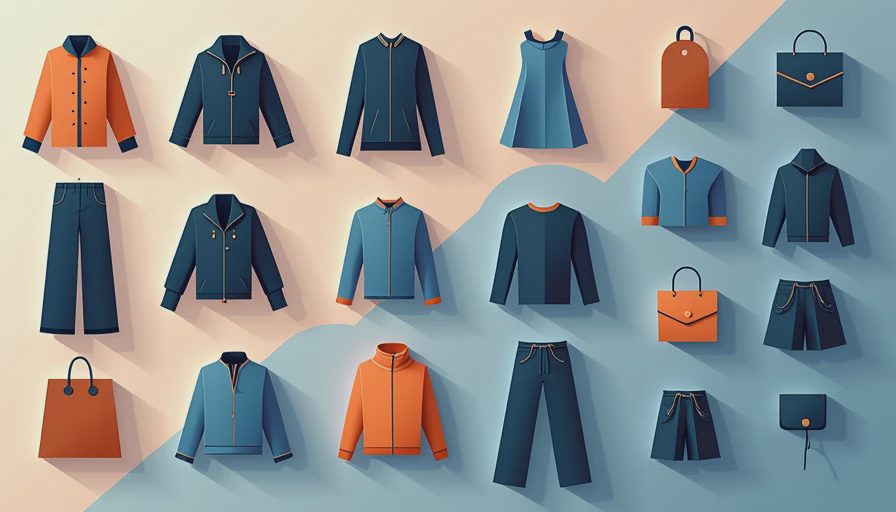
I’m 5’2”, and I’ve wasted more money on ill-fitting clothes than I care to admit. After years of trial and error, I put together this **petite shopping guide** to help you avoid the same mistakes. Whether you’re my height or just under 5’4”, these tips will save you time, money, and frustration. This **petite shopping guide** is built from real-life wins and fails, not fashion magazine advice that doesn’t work on short frames.
Cute is nice. Taller is better. So let’s get into it.
Why Most “Petite” Lines Miss the Mark
You’d think brands labeled “petite” would nail it, but they often only shorten length without adjusting proportions. Shoulders are still too wide, armholes gape, and waistlines land below your natural waist. I bought a petite blazer from a popular department store last year, and it still hung off me like a hand-me-down from a taller friend. This **petite shopping guide** explains why you can’t trust the label alone—you have to check the actual measurements. Many affordable brands assume “petite” just means shorter overall, but our bodies aren’t mini versions of the same proportions. We need narrower shoulders, shorter rises, and scaled-down details like pocket placement.
That’s why this **petite shopping guide** emphasizes fit over label. Your best bet is to ignore the tag and focus on how the garment sits on your body. I’ve found that some regular straight-leg jeans fit better than their petite counterparts because the rise and leg opening are more proportional. Go figure.
The Golden Rules of Petite Shopping
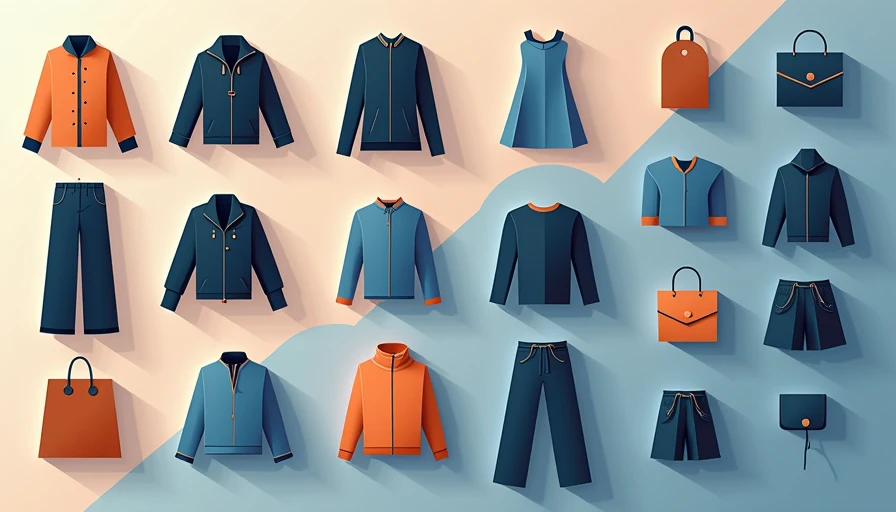
After countless failed purchases, I’ve narrowed down the rules that actually work. Here’s what this **petite shopping guide** recommends:
- **Check inseams religiously.** For pants, 25–27 inches is ideal for a full-length look. Capris and crops should be 22–24 inches. Always look up the inseam before buying.
- **Embrace vertical lines.** Vertical stripes, zippers, and v-necks create a longer line. Avoid horizontal bands across the hips or chest.
- **Go for high-rise bottoms.** High-waisted jeans and skirts fake longer legs. Mid-rise can work, but low-rise is a no-go for most petite frames.
- **Hem everything that’s too long.** Budget $10–15 per alteration—it’s worth it. Even a pair of $30 Amazon pants can look custom with a quick hem.
- **Watch fabric weight.** Heavy denim or thick wool adds bulk. Look for lightweight materials that drape softly.
I know it sounds like a lot, but once you internalize these, shopping gets way easier. This **petite shopping guide** is all about reducing guesswork.
Best Stores for Petite Shopping
Not all stores are created equal for petites. Here’s where I actually find success:
- **Amazon:** The filter option is your friend. Search “petite,” then sort by reviews from women with similar heights. Brands like Levi’s, Gloria Vanderbilt, and Lee have solid petite lines. Easy returns make it low-risk.
- **Zara:** Their “Petite” section is hit or miss, but I’ve had great luck with kids’ sizes for tops and blazers. Check the size guide—kids’ 14–16 often fits like a women’s XS with shorter sleeves.
- **Thrift stores:** Look for “cropped” items that become full length on us. I snagged a pair of cropped trousers that fit like regular straight-leg pants. Scan for brands that run small naturally, like J.Crew or Banana Republic.
- **Outlets:** Stores like Nordstrom Rack and Saks Off 5th often have extra-small sizes that work. Focus on brands known for petite fit, like Ann Taylor and Loft.
Your **petite shopping guide** wouldn’t be complete without emphasizing that the best store is the one where you take the time to try things on. Don’t rely on online descriptions alone for fit.

What to Skip in Your Petite Shopping Guide
Some trends are just not worth our time. Here’s what I avoid:
- **Wide-leg pants that puddle.** Unless you’re willing to hem, they overwhelm a small frame. Look for tapered or straight legs instead.
- **Oversized blazers.** They swallow you whole. A fitted blazer that hits at the hip or just below is much better.
- **Horizontal stripes or busy prints.** They break the visual line and make you look shorter. Stick to small prints or solids.
- **Details at the hem.** Ruffles, asymmetrical hems, or heavy embellishments drag you down visually. Keep details near the face.
I’ve bought all these before and regretted them. Trust this **petite shopping guide** – skip the obvious and go for clean lines.
My Personal Petite Shopping Guide Routine
Here’s the step-by-step I follow every time I shop:
- **Measure myself fresh.** Shoulders, bust, waist, hips, and inseam. Write them down.
- **Know my rise.** High-rise (10–11 inch front rise) is my sweet spot. Low-rise never works.
- **Read reviews from petite women.** Filter reviews by height. Look for phrases like “I’m 5’2” and this hit at the ankle.”
- **Order two sizes.** If possible, order two sizes of the same item. Return the one that doesn’t fit. It saves a trip back to the store.
- **Stick to basics first.** Invest in a pair of perfect jeans, a tailored blazer, and a classic trench. Then branch out to trendier pieces.
- **Use a tailor.** Even a $10 hem can transform a dress into a showstopper. Build alteration costs into your budget.
Following this routine has cut my return rate in half and made my wardrobe work harder. This **petite shopping guide** routine keeps me from impulse buys.
Final Thoughts
Cute is nice. Taller is better. With this **petite shopping guide** in your back pocket, you’ll walk into any store—online or in person—knowing exactly what to look for and what to avoid. No more wasted money, no more disappointment. Start with measurements, stick to vertical lines, and don’t be afraid of the tailor. Your wardrobe (and your bank account) will thank you.

No notes yet — write the first one.