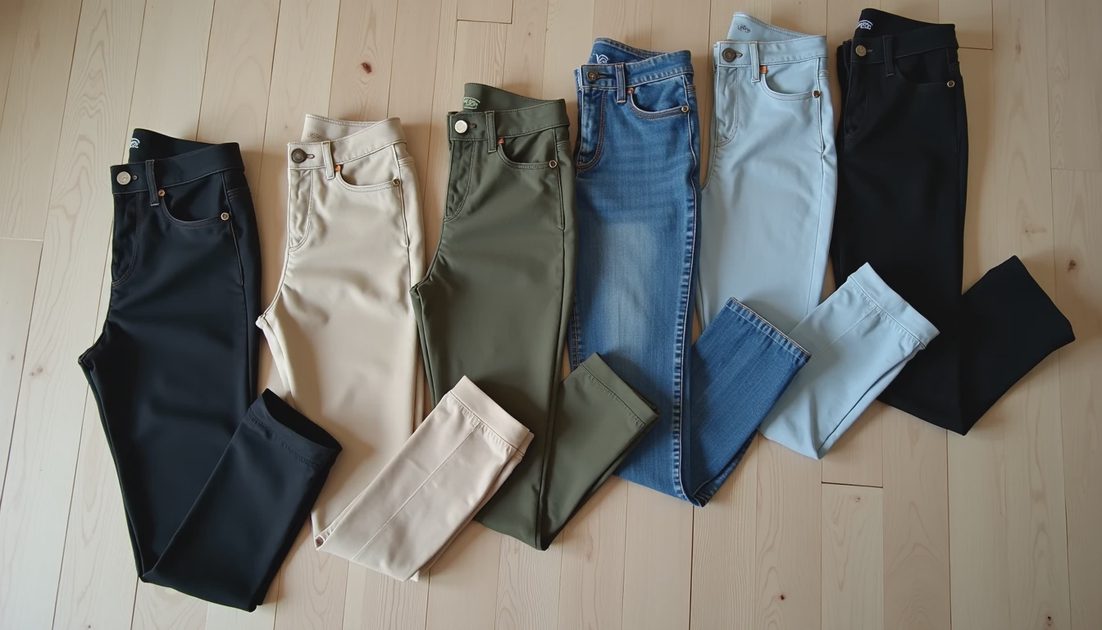
If I could go back in time and save my younger self some money and frustration, I would sit her down and have a very serious conversation about pant lengths. Because for years, I kept making the exact same mistake over and over again, wondering why my outfits never looked as good on me as they did on the models.
I live in Denver where walking is part of everyday life. Pants should be my best friend — comfortable, professional, easy to mix and match. Instead, they became one of my biggest sources of clothing regret. I’d buy a cute pair, wear them a few times feeling vaguely “off,” and eventually push them to the back of the closet.
The worst part? I kept repeating the same error even after I started to notice the pattern. That’s how stubborn (and hopeful) I was.
The Pant Length Mistake That Haunted Me
My biggest repeated mistake was buying pants that were either slightly too long or in that dangerous “almost ankle” length — you know, the ones that are supposed to be trendy but end up hitting right at the widest part of my lower calf or puddling slightly at the ankle.
I would tell myself “it’s fine, I can cuff them” or “maybe with different shoes it’ll look better.” Spoiler alert: it rarely did. Those awkward lengths created a strong horizontal line exactly where I didn’t want one, chopping up my legs and making me look shorter and wider overall.
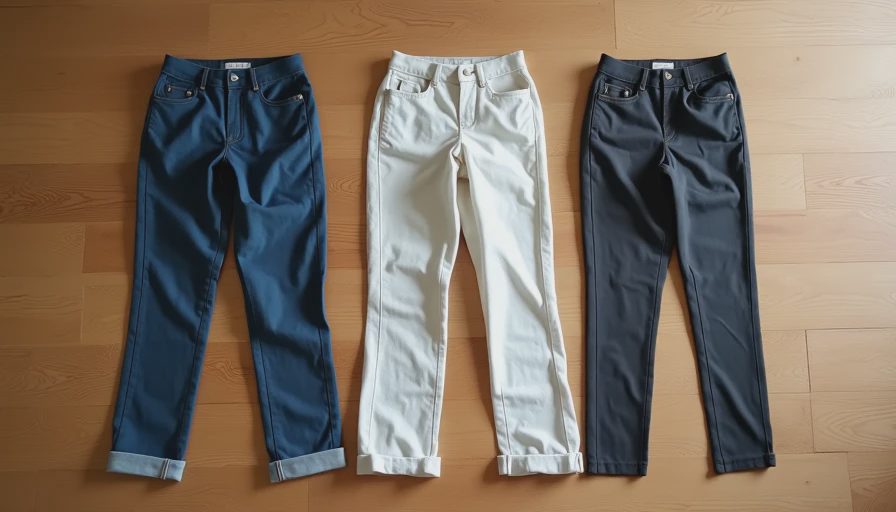
I remember one particularly bad pair of black trousers I bought from Zara during a sale. They looked perfect online. In the store, I convinced myself they just needed heels. I wore them to work with flats (because Denver sidewalks don’t forgive heels) and spent the whole day feeling like my legs had disappeared. By lunchtime I was rolling them up, which only made things worse. I looked like I was preparing for a flood or ready to plant rice in the office. Not exactly the polished administrative assistant vibe I was going for.
I made this mistake with wide-leg pants, straight-leg pants, even some chinos. I’d see them on tall influencers who looked effortlessly cool with the fabric breaking beautifully at the top of their foot. On my 5'2" frame, the same style made me look like I was drowning in fabric or had borrowed my taller roommate’s clothes.
The emotional cycle was always the same: excitement when ordering → disappointment in the fitting room or after first wear → telling myself I’d “make it work” → eventual return or sad closet exile.
How I Finally Broke the Cycle (And What I Do Now)
It took me way too long, but I eventually developed a clear set of rules for pant lengths that actually work for my petite frame. The game changer was accepting that “trendy” lengths and petite-friendly lengths are often not the same thing.
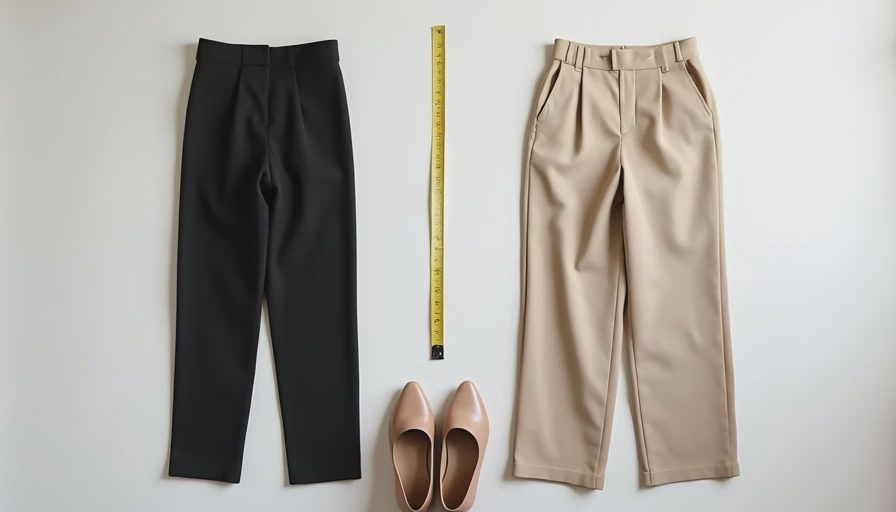
I now aim for pants that hit right at my ankle bone or create a tiny break at the top of my foot when wearing flats. This continues the vertical line cleanly down to the ground instead of cutting it off awkwardly. For my height, that usually means a 25-26 inch inseam, but it varies by brand and style.
With straight-leg and slim pants, I prefer a clean ankle graze with no break or just the tiniest kiss of fabric on the shoe. With wide-leg styles, I’m more careful — I want enough length to look elegant but not so much that it puddles. I’ve learned that wide-leg pants on petites need either precise hemming or a slightly shorter style to avoid looking overwhelmed.
My go-to fix when I find pants I love but the length is off? Getting them professionally hemmed. It usually costs $15-25 and is worth every penny. Some brands like Zara now offer petite-specific lengths online, which has been a lifesaver.
I also started paying much more attention to rise (the distance from crotch to waistband). Mid-to-high rise works best for me because it balances my proportions and makes my legs look longer. Low-rise pants almost always shorten me visually.
Practical Pant Length Tips I Wish I Knew Sooner
Here are the rules I now use when shopping for pants, whether at Zara, Amazon, thrift stores, or outlets:
Try them with your real-life shoes. I always test pants with the flats or ankle boots I actually wear to work and on weekends.
Check the hem in movement. Walk around the fitting room, sit down, cross your legs. If the fabric bunches or creates weird folds, it’s probably not right.
Use the “vertical line test.” Stand in front of the mirror. Does the pant leg continue the long line from your hip down, or does it stop abruptly and cut you off?
Thrift store strategy: Look for pants with existing petite tags or ones that are already slightly short. It’s easier to take something up than to let it down.
Amazon hack: I now filter for “petite” or read reviews specifically mentioning height and inseam. “Runs long” in the reviews is usually a red flag for me.
Some of my current favorite pants include a pair of black straight-leg trousers from Zara (petite length, perfect ankle graze) and a beige wide-leg pair from Amazon that I had hemmed. Both make me look noticeably taller and more balanced when paired with tucked-in tops or proper layering.
The Confidence Difference It Makes
Fixing my pant length issue didn’t just improve how I look — it improved how I feel when getting dressed. I no longer waste mental energy worrying if my pants are doing me dirty. I can grab a pair knowing they’ll work with my existing tops and shoes.
This one change has made my entire wardrobe feel more cohesive. Even older pieces look better now that I style them with better bottom proportions.
I still slip up occasionally — that “just one more pair” temptation is real — but now I catch myself faster and make better decisions. Progress, right?
If you’re a fellow petite woman struggling with pants, I hope this saves you some of the frustration I went through. Start by auditing your current pants drawer. Be honest about which ones actually make you look and feel taller. The ones that don’t? They might be worth altering or letting go.
I’ll be sharing more specific recommendations and before-and-after styling in future posts, including how I handle different pant styles for office days versus weekends.
Your legs deserve pants that work with them, not against them.
Cute is nice. Taller is better.



No notes yet — write the first one.