Petite clothing used to sound optional to me, like one of those nice little shopping filters I could ignore if I just “made it work.” I’ve made this mistake before. I bought regular-size pants, long blazers, oversized sweaters, and cute shoes that looked great in theory but made me look shorter in real life. Once I started paying attention to proportion instead of just trendiness, getting dressed got easier fast. Cute is nice. Taller is better. If you’re 5'3" and under, the right petite clothing can save you money, reduce tailoring, and make everyday outfits look cleaner without trying so hard.
Why petite clothing matters more than most people think
A lot of women hear “petite” and assume it only means shorter inseams. That is part of it, but not the whole story. Good petite clothing is cut with a shorter frame in mind from top to bottom. That can mean higher knee placement on pants, shorter rises that don’t bunch strangely, sleeves that hit where your wrist actually is, and jackets that stop before they swallow your hips. Those small changes matter a lot.
The biggest difference is visual balance. On a petite frame, extra fabric shows up immediately. A tunic that looks relaxed on a taller woman can turn into a blanket on me. A midi skirt with the wrong length can cut my legs in half. Even basic T-shirts can look off when the shoulder seam drops too low.
This is why I tell friends not to think of petite clothing as restrictive. Think of it as efficient. You are starting closer to your actual proportions, which means less hemming, less “maybe I can belt it,” and fewer pieces sitting in the closet because they never looked quite right.
The pieces worth buying in petite sizes first
If you are building a better wardrobe on a budget, start with the items that affect line and length the most. For me, that means pants, jeans, blazers, coats, and dresses with defined waist placement. These are the categories where regular sizing tends to miss hardest.
Pants are the biggest one. Full-length trousers that puddle at the ankle do not create that long-leg effect we want. Cropped pants that were meant for a taller person often hit at an awkward mid-calf spot instead. A true petite cut usually fixes both problems. The same goes for jeans. Straight-leg, slim straight, and petite-friendly wide-leg jeans can look amazing when the hem lands where it should.
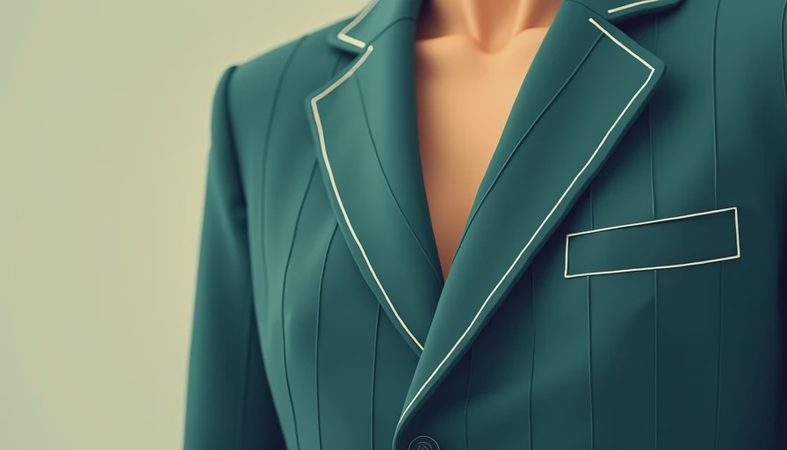
Blazers are another place where petite clothing genuinely saved me. A blazer that is too long in the body makes my legs disappear. I now look for shorter lengths, better shoulder placement, and sleeves that do not require folding three times.
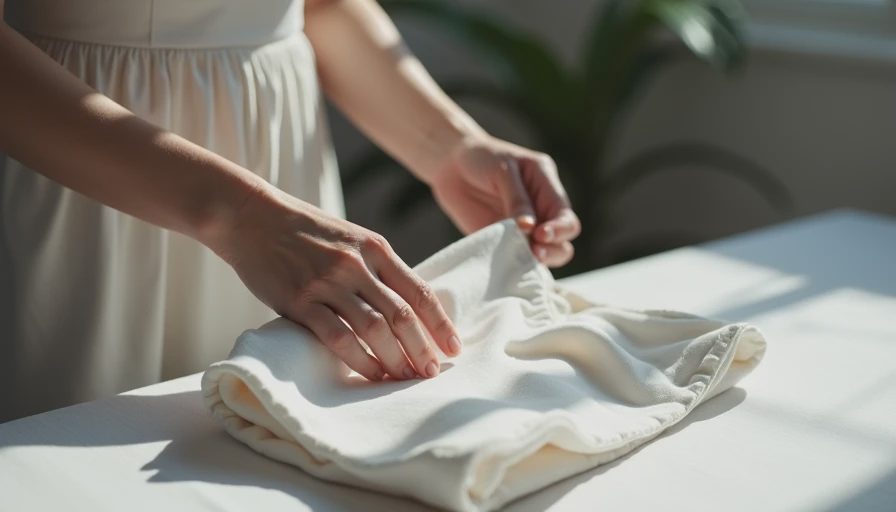
Dresses matter too, especially if the waist seam keeps landing near your ribs or your hips. When the waist hits correctly, your whole shape looks more intentional.
What to look for if you shop Zara, Amazon, thrift stores, and outlets
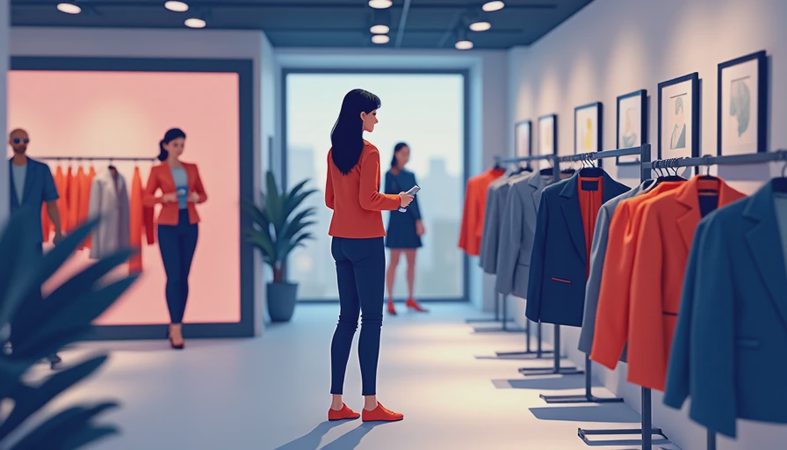
Not every store has a strong petite section, so you need a strategy. With Zara, I usually shop with a skeptical eye. I love the clean colors, tailored-looking tops, and simple trousers, but I skip anything aggressively oversized unless I already know the cut runs short. Don’t trust tall-girl blogger advice on this one. On petites, dramatic volume needs control somewhere else, or the outfit wears you.
On Amazon, measurements and review photos matter more than the product title. I search for ankle pants, cropped cardigans, shorter blazers, and knit dresses with clear length details. If a review says, “I’m 5'2" and this hits right at the ankle,” I pay attention. That is more useful than polished marketing photos.
Thrift stores and outlets can be gold mines for petite clothing if you shop by proportion, not by label. I check the shoulder width first on jackets, then the rise on pants, then the total length. Some regular pieces work beautifully if the cut is naturally compact. Others are cute in theory. Not helpful in real life.
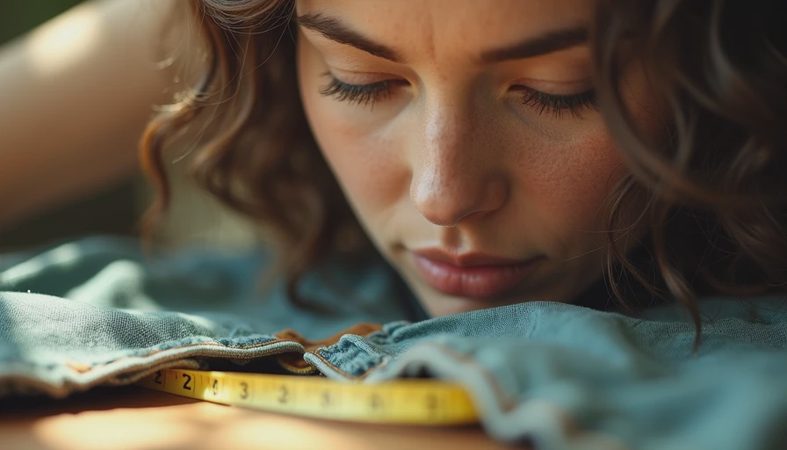
The best budget trick is simple: spend more time in the fitting room or with a measuring tape, and less time convincing yourself a near miss is good enough.
The styling rules that make petite clothing work even better
Even well-cut petite clothing needs smart styling. Fit gives you the foundation, but proportions finish the job. My easiest rule is to define the waist without chopping the body into random sections. A front tuck, a shorter knit, or a belt in the right place can do a lot.
I also pay attention to visual line. High-rise bottoms usually help because they lengthen the leg line, especially with a tucked top or a top that ends near the waistband. Monochrome outfits are another easy win. You do not need to dress in one exact color head to toe, but keeping the top and bottom in a similar depth can look taller and cleaner.
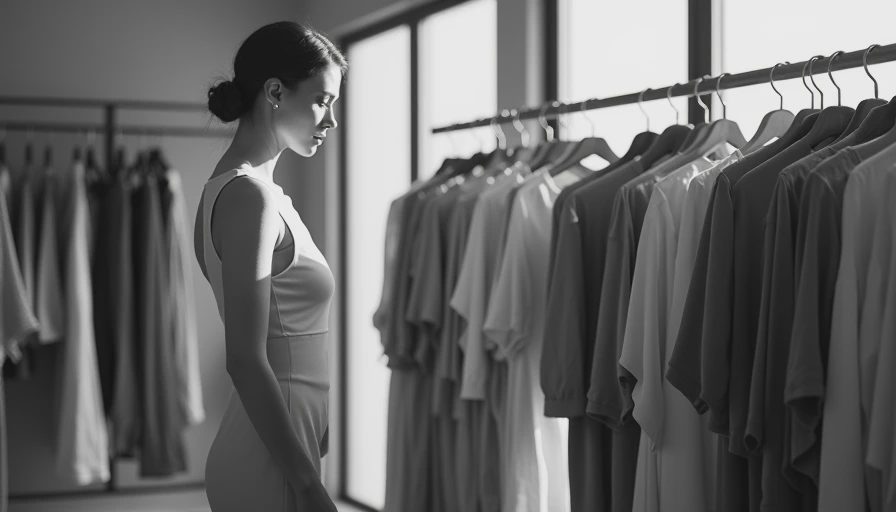
Shoes matter too, though not in a painful “always wear heels” way. Pointed flats, low vamps, sleek sneakers, and boots that fit close to the ankle usually help more than chunky styles that visually shorten the leg. I learned this after buying adorable ankle-strap shoes that basically cut me off at the foot.
And please be picky about jacket length. Cropped or hip-length usually works better than long and boxy unless you are styling a very streamlined column underneath.
Common petite clothing mistakes that waste money
My most expensive mistake was buying things because they were trendy instead of because they worked with my proportions. Oversized button-downs, extra-long cardigans, giant tote-plus-sneaker combos, dropped-waist dresses—I tried all of it. Some of it looked fashiony on the hanger. Almost none of it helped me look balanced.
Another mistake is assuming tailoring will magically fix everything. Hemming pants is easy. Rebuilding a shoulder, moving a waist seam, or correcting a weird rise is not. That is why starting with petite clothing often makes more sense than buying random regular-size pieces on sale.
I also think a lot of petites keep too many “almost right” items. If you have to wear platform shoes, pin the straps, roll the sleeves, and constantly adjust the top, that piece is probably not earning its closet space.
A better wardrobe is usually smaller and more repeatable: one great pair of ankle trousers, one jean that actually hits right, one blazer that sharpens everything, and a few tops that do not overwhelm your frame.
How to build a petite wardrobe that feels easy every day
Start with real life, not fantasy life. Buy petite clothing for your actual routine: work, errands, dinners, weekends, and whatever you wear on a normal Tuesday. If you need office outfits, focus on slim trousers, waist-defined dresses, short cardigans, and blazers with clean lines. If your life is more casual, prioritize straight-leg jeans, fitted tees, cropped knits, and simple jackets.
Keep a mental checklist: does it define shape, keep the leg line long, and fit without drama? If yes, it is worth a second look. If not, put it back. That little pause saves so much money.
My favorite thing about finding the right petite clothing is that getting dressed feels calmer. You stop fighting fabric. You stop wondering why the outfit looked better online. And you start building combinations that just work.
Cute is nice. Taller is better. If you shop with proportion in mind and stay a little ruthless about fit, you can build a wardrobe that looks polished, affordable, and very you.